AI's Role in Safeguarding Real Estate Intellectual Property: A Double-Edged Sword
February 22, 2025
Ever thought about how artificial intelligence could be the unsung hero—or the unexpected villain—in protecting intellectual property rights in real estate? It's a question that not only piques curiosity but also demands our attention.
Let's start with a simple truth: real estate isn't just about bricks and mortar anymore. Today, it's as much about ideas, designs, and data as it is about the physical space. When an architect sketches a revolutionary design or a developer puts forth a new concept, these are intellectual properties—valuable, vulnerable, and increasingly digital. Here steps in artificial intelligence, ready to play a crucial role in protecting these intangible assets. But how reliable is AI in this mission?
AI tools have the remarkable ability to sift through vast oceans of data. Imagine a tool that can scan thousands of property listings, floor plans, and architectural designs, identifying potential infringements in a fraction of the time it would take a human. This capability is a game-changer for real estate firms that continuously grapple with the challenge of protecting their creative outputs.
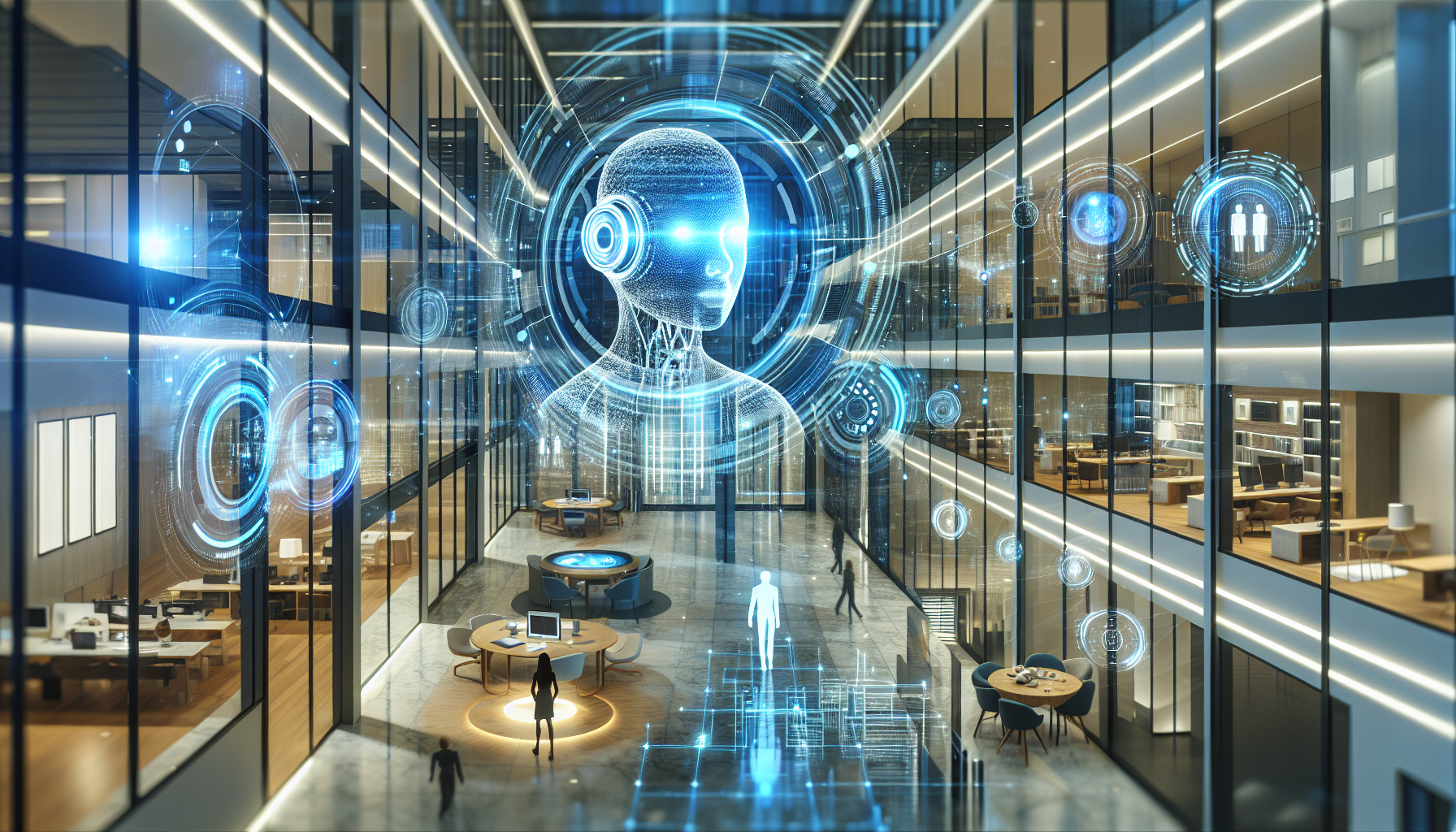
However, AI's role isn't just about speed and efficiency; it's also about precision. The technology can detect patterns and anomalies that might slip under the radar of even the most meticulous human eye. This means that AI can potentially spot instances where a competitor might be infringing on a patent or mimicking a design. In essence, AI acts as a vigilant sentinel, guarding against intellectual property theft.
Yet, with all its promise, AI isn't without its pitfalls. The technology is only as good as the data it’s trained on and the algorithms that power it. Therein lies the rub: biases in training data can lead to flawed outcomes. Imagine an AI system trained predominantly on Western architectural styles—it might miss nuances in designs from other cultures or regions, leading to oversights in IP protection. Worse yet, an overly stringent AI might stifle innovation by flagging legitimate designs as infringements, creating legal headaches where none should exist.
Moreover, there's an ethical dimension to consider. As AI systems become more sophisticated, they operate with increasing autonomy. This autonomy raises questions about accountability. If an AI system fails to identify an infringement or incorrectly flags a design, who bears the responsibility? The developer, the company, or the AI itself? This ambiguity can lead to legal and ethical quagmires that the industry is only beginning to untangle.
Despite these challenges, the integration of AI in protecting real estate intellectual property is not merely a futuristic fantasy—it’s an emerging reality. Companies are already investing heavily in AI-driven IP protection tools, signaling a belief in the technology's transformative potential. The key, however, is to ensure that these tools are deployed with caution and oversight, balancing the need for protection with the imperative to foster creativity and innovation.
This brings us to a broader reflection: how should we, as a society, navigate the delicate interplay between technological advancement and intellectual property rights? There's no easy answer, but one thing is clear: the conversation must begin with an acknowledgment that AI, while powerful, is not infallible. We must approach it not just as a tool, but as a partner—one that requires guidance, regulation, and, occasionally, a check on its capabilities.
As we continue to blur the lines between the digital and physical realms, the role of AI in real estate will undoubtedly grow. How we harness its potential to protect intellectual property while safeguarding creativity may well define the industry's future. So, next time you marvel at a stunning new architectural feat or explore a groundbreaking property development, consider the invisible guardian—the AI—working behind the scenes to protect the ideas that make such innovations possible. But also ponder this: how do we ensure this guardian doesn’t become a gatekeeper, limiting the very creativity it aims to protect?